


Place2Be responds to Milburn Review: expert, embedded, timely support in school is key
Alan Milburn has today published the final report of his Young People and Work review on how to tackle the increasing numbers of young people who are not in education, employment or training.
Responding to the report, Place2Be Chief Executive Catherine Roche said:
“We welcome the final report of the Milburn Review and its strong emphasis on providing a proactive and preventative response to tackling the underlying causes of young people becoming NEET, such as poor mental health, and in building the resilience, confidence and skills they need to thrive in adulthood.
“We are pleased that the report recognises that good mental health helps children build strong foundations for future success, equipping them with the confidence, skills, adaptability and resilience needed to progress through education, enter employment and, crucially, thrive in it.
“When children's emotional needs are identified and supported early, they are better able to engage in learning, build positive relationships and develop the social and emotional skills that underpin lifelong participation in work and society.
“Evidence from Place2Be’s work backs this up: children and young people who access targeted mental health support see improvements in mental health, reduced odds of persistent absence from school, reductions in exclusions, and improved classroom learning and behaviour. Research also shows that improvements in mental health are sustained over time.
“Indeed, research from PBE commissioned by Place2Be found that improving a child’s mental health can boost GCSE grades and improve future employment prospects and earnings over a young person’s life.
“It found that reversing a decade of decline in children’s mental health is worth £51 billion, including through higher lifetime earnings, higher tax revenues, and reduced welfare spending.
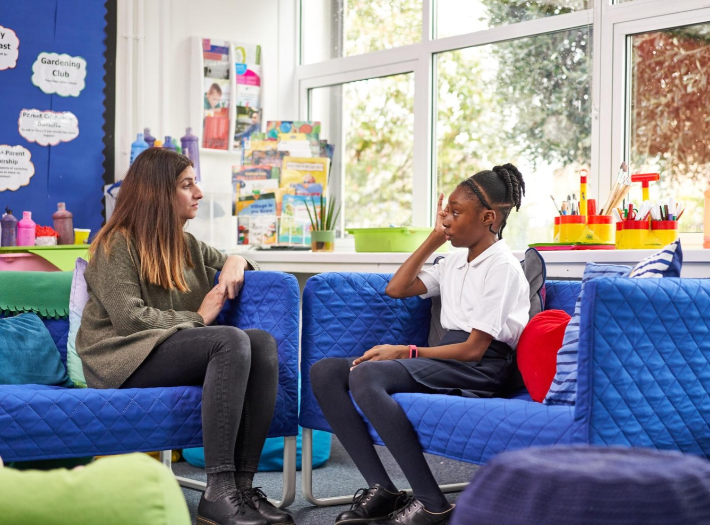
“As the Milburn report recommends, support should be provided where children live and learn. Our experience and evidence from over 30 years of working with schools’ points to the value of expert, embedded, and timely whole-school mental health support: a trusted practitioner who is part of the school community, supports children, families and staff, and connects with wider services resulting in better value from a joined up whole system and, crucially, smoother and easier care pathways for children and families.
“This approach delivers universal support to influence whole school culture change and promote wellbeing, confidence and resilience, through to targeted help for children and families who need it. It also goes beyond the school gates, recognising that children’s needs are shaped by the wider systems around them.
“Yet, as this report confirms, too many children still face barriers that prevent them from fully engaging in education without the support they need. Rising levels of anxiety, low self-esteem, loneliness and emotional distress can affect attendance, concentration, behaviour and attainment, increasing the risk of disengagement long before young people reach the labour market.
“We agree that there should be a shift to a proactive and preventative system but believe this must mean providing support early in a child’s life to prevent problems arising – not just when problems escalate in late adolescence or early adulthood.
“There is now a real opportunity to invest in childhood and address the underlying drivers of young people becoming NEET, not only improving their wellbeing but creating the conditions that enable children to learn, achieve and fulfil their potential.
“We should grasp that opportunity with both hands.”

Place2Be welcomes Professor Peter Fonagy’s 'Prevalence Review' which underlines the need for specialist mental health support in schools.
Read more
Place2Be has today unveiled ‘Step into Our World’ as the theme for Children’s Mental Health Week 2027, inviting schools and…
Read more
Creativity took centre stage at London Fashion Week as award-winning British fashion designer Patrick McDowell welcomed pupils from Knightsbridge School…
Read more