
Brilliant Brains like Ours
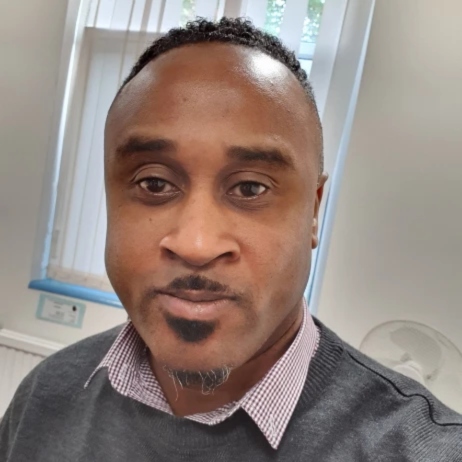
Programme Leader for Family Work - Judah is a BACP registered counsellor, and Parent-training Mentor, who joined Place2Be in 2021. He has over 7 years experience delivering counselling and therapeutic services for adults and children. Judah has been supporting parents and carers, delivering parent training and supervising parenting practitioners within local authorities and the NHS for over 17 years.
Place2Be's Programme Leader for Family Work, Judah, reflects on his own journey navigating his children's neurodiversity to go alongside our new Parenting Smart resource: My child might be neurodivergent.
When I was a child, I had a lot of energy. I was always on the go and doing something active, whether that was playing football outside or literally climbing the walls and bannisters in the house. I also remember being easily ‘triggered’ into ‘big’ feelings that I now learned was emotional overwhelm. My mum sometimes would describe me to other people by saying, ‘Wednesday’s child, full of woe’.
At school, I found it hard to concentrate in lessons that I wasn’t interested in. However, when I did enjoy doing something like football or songwriting, I could hyper-focus on doing it for hours, and I would become quite an expert at it too. I was also very forgetful, and this didn’t change much into my adulthood, many times leaving my house without essentials like my keys or wallet, and I often forgot where I had parked my car.
These were all signs of my neurodiversity, a difference in the way my brain processed information. The things that I still remember from my younger days are the comments that people would make about my struggle to focus or forgetfulness. I went from the top to bottom set in maths at secondary school after being told how ‘rubbish’ at maths I was by a teacher. I did not learn to appreciate the different ways that my brain works until much later in life, which I think is unfortunate.
Since my children were young, I noticed that they also had unique ways that their brains worked – some of the ways they processed things were very similar to mine, and some things were different. My middle son is very much like me in how his brain works. He has less interest in things like maths, but he is very creative and has always had a love for books from very young, which has now developed into a love for writing his own stories - I have read many and been blown away by them! He also has experienced similar challenges to me when it comes to things like remembering where he has put things or being able to focus on things that he is less interested in.
I have been able to speak with him about how we share similar talents and challenges. My conversations with him and my other sons have included sharing with them how I felt when I was their age and what I have learned about the way my brain works, appreciation of what it has given me in terms of talents, alongside the challenges it presents each day.
I have shared with them the strategies that I have learned that help me: using to-do lists, putting things in the same place each time after I use them or giving myself rewards for getting tasks completed. I am also aware of the power words that they hear from me about who they are, and I try to focus on their positives as much as possible. I am not always perfect at doing this, but I have learned to apologise if I ever say something that I later regret.
As I continue learning about myself and my children, I'm gaining a better understanding of who we are, and I’m holding onto something I now believe to be true: different brains are not deficits; they instead offer diverse ways of experiencing the world. And if we can recognise, nurture and celebrate that, we give ourselves and others the freedom to shine in the ways we were always meant to. Here’s to appreciating the brilliance in every kind of brain, including brilliant brains like ours.
Resources you might find helpful
Our parenting experts created a Parenting Smart article about navigating neurodiversity in children.
You can also take a look at lots of other articles, tips, videos and resources from Parenting Smart.
Related news and blogs
Judah writes about uncertainty, how it shows up in his children's lives, and how he copes.
Read more
Place2Be's Programme Leader for Family Work, Judah, reflects on the topic of belonging, in line with this year's theme 'This…
Read more
Place2Be's Programme Leader for Family Work, Judah, reflects on his own journey navigating his children's neurodiversity.
Read more